 Book a free autopsy

















































































































































Follow-up & salesTape 008▶ 09:4712 Dec 2024
Why entry-point installs beat solar-first sales
Start smaller to sell bigger, faster.
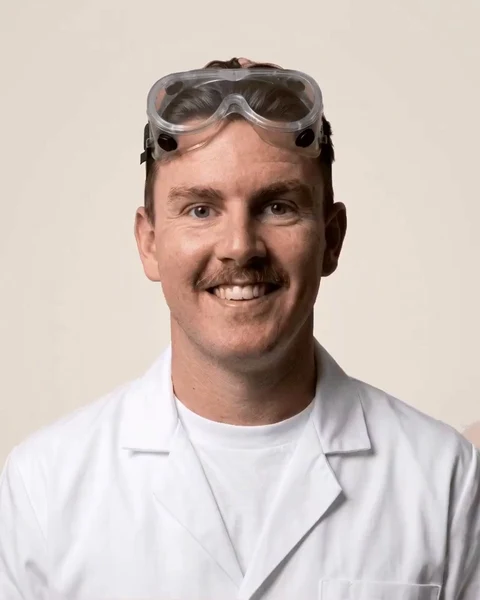
 Jude Cornish, CCO & co-founder
✓£2,000 to start, then nothing until your first deal.
The short answer
Instead of only upselling, start with the smallest install, such as an EV charger, then move to a battery, then solar. Each step feels less daunting, builds trust, and makes the next product's benefit clearer. It raises customer lifetime value, so you can afford a higher cost per acquisition.
Upsells are everywhere in solar.
EV chargers bundled with panels. Batteries added at the last minute. “Free” add-ons used to soften a big upfront number.
This video looks at the opposite approach.
Instead of starting with the largest, most expensive system, we talk about using EV chargers and batteries as entry-point installations — a way to get a foot in the door, build trust, and increase customer lifetime value over time.
This isn’t about discounting or pushing people through bundles. It’s about sequencing. Lowering psychological barriers, proving quality early, and making each next step easier to say yes to than the last.
It’s particularly relevant for price-sensitive customers and winter sales cycles, where immediate feedback from solar alone can be delayed.
For context, this video was originally recorded on 8 January 2026, views & strategies may have changed since.
Full transcriptRead the full transcript6 min read · 1,491 words · open ▾
▶ 0:00Good morning. Today, we are going to be talking about using entry point installations. So you'll be very, very familiar with upsells, but I'm going to talk about the reverse approach of that, which is entry point installs. Upsells are super common. So upselling EV chargers from solar is super common. And that's why you see plenty of these ads where, you know, it's all free car charger if you buy 186 solar paddles with us. But I don't think that enough people actually utilizing EV chargers and battery installs as a foot in the
▶ 0:29door mechanism as opposed to an upsell mechanism. So with this approach instead, you start with the cheapest, lowest margin installation to basically get in front of the customer and to show why you're so good to show your USPs of the quality of your workmanship, etc. Then you go up to the battery install to make immediate savings. And this can be particularly powerful in winter when they wouldn't necessarily get the instant kind of feedback from the solar system. And they'd have to wait until spring to actually start seeing the real solid generation
▶ 0:59figures. Whereas with the battery, you can take advantage of the off peak pricing pretty much instantly. And this has a few key effects. So at the end, the financial outlay of the solar feels far less daunting for the customer. And at each step, the actual benefit of purchasing the next thing is greater than it was before. So if you're selling the whole thing bundled in one, it's actually quite difficult for the customer to see and to separate the benefits of each service out and to say, okay, well, in scenario A, I've got the battery, but I don't have
▶ 1:29the solar system. What am I saving then? You'd almost have to prepare three to six different quotes for the different combinations of things that they could have. Whereas if you start with one thing at a time and you work up, especially for a customer that's very price sensitive, this could be your in to essentially be able to go, okay, so we'll start with the EV charger. Then I'm going to put together a quote for you with the battery. And that's the only quote they have to think about. And then that very much prevents things like paralysis by analysis, or someone trying to model out so many
▶ 1:59different scenarios that they just get lost in the thick of it. You might also find that the benefits of the solar system itself as a standalone item are maximized by the implementation of the other systems. So actually making, you know, the choice to buy solar, even if the price of the solar system standalone is exactly the same with all of it together, as it would be with it just standalone, the impact of that could actually be accelerated or enhanced by the other systems that they
▶ 2:29already got installed, which is why retrofit is almost always an easier sale. The next big thing is you can leverage the data from the smart systems that have already been installed to enhance your pitch for the next thing you can say, well, I can see all of the usage for your battery system. And I can see that if you were actually generating this much energy during the day, you wouldn't need to be buying energy outside of the cheapest window, what could be even better, I'd love to see someone do this is basically like making a live dashboard or Excel sheet, Google sheet,
▶ 2:59etc. That actually shows their savings right now with the current systems that you've already installed for them versus if they had solar installed as well. And on a day to day basis, they would be able to see our will, you know, look what I'm missing out on it's proper sunny outside, I could be generating all of that and then my battery would be full by the evening, I wouldn't even have to pay for anything overnight. Of course, there's a lot of psychological factors as well. So you can overcome the fear of commitment, you installing an EV charger to a wall is a very quick job. And typically, there isn't much that can necessarily go
▶ 3:29wrong, it's much easier for someone to trust you to do that kind of work than it is for someone to trust you to put scaffolding up to go up on the roof to be potentially interacting with things that could cause leaks or long term damage. So starting with the smallest hurdle builds people up to the bigger ones. It's also an element of habit formation. If you can get someone to start to associate with the idea of being a person that invests in renewable energy, that invests in in technology in this kind of manner, then you've almost changed their buying persona.
▶ 3:59So when you pitch solar, it's not, you know, do you want to consider investing in renewable energy, it's you are someone that invests in renewable energy, that is your character, that is who you are, that's your identity. So it's so much easier to persuade to persuade someone that they should continue to do that and to continue that behavior than it is to convince someone they should entirely change their persona. Of course, it can be really helpful for anchoring as well. So if you originally present a 10k
▶ 4:27system with everything, and then you suddenly say, well, we can just get started with 1k, and you're still going to get immediate high value from it, then the 1k feels like an absolute no brainer. Of course, you can use bundling as well. So you could potentially charge more for the individual component standalone than you would for the
▶ 4:44entire system. And I wouldn't say you should do this during like on the survey and say, you know, if you move forward today, we'll take a grand and a half off. Because I think that's just really snaky. But you can very easily just present the pricing option and just say, look, because we have to come out multiple times, and we can just get the whole team down here to do everything, it is going to cost us less. And therefore we can pass that cost on to you as the customer. And obviously give them their own time to actually make that decision. So finally, another idea is you could gamify the journey between the products.
▶ 5:14So you could have almost levels and because of the data you're getting from these smart EV chargers from the battery, you could have some sort of dashboard that almost gamifies it where you can level up and if you exceed a certain level, it makes it a no brainer case for the next technology. I'm looking to build something like this on a tool called Airtable.
▶ 5:36If that sounds like a really, really interesting idea to you, then definitely get in touch. Like not for me to sell it to you, but I'd love to hear your feedback and input on how that could be as powerful as possible. And then finally, the core piece of this is moving from a perspective of one-time sales, which quite often solar is, to increasing the customer lifetime value.
▶ 5:57And if you can increase the customer lifetime value, you, especially for a product where most people in the market aren't doing that at all, you have a huge advantage because your cost per acquisition can go up because you know that over time you're going to reap that back. And when I say cost per acquisition, I mean kind of the initial outlay. The other thing you can do in line with this, you could create service packages. So like maintenance packages, cleaning packages, all that kind of thing. Obviously not for too much money because it will just erode the ROI, but that is another way that you can increase LTV for people to feel like they're getting a lot of value.
▶ 6:31If you want to get a copy of this document as we build it out, it's got quite a lot of stuff in. Now actually, if you go up through, you've got two modules on sales, yours, nurturing, web, I need to work on conversion. We've got a few on the ads. It's building up over time. It's going to have hundreds in here. So enter your email in the link that is in the description or comment on this post. And then if you want the implementation of everything that we discuss, then go through onto that same link. It's going to ask you a few questions about your solar business and we'll see how we can help. Appreciate your time. Have a good day and I will see you in the next one.
 ▶ 11:02Why most solar proposals kill deals before they’re readJude CornishNo. 004Follow-up & sales5 Dec 2024
 ▶ 09:34Speed to lead is why social solar leads don’t convertJude CornishNo. 001Follow-up & sales9 Dec 2025
 ▶ 04:57What actually happens on a On steroids discovery callJude CornishNo. 076
Is your area still open? A few installers per area.
Five quick questions, then pick a time with Ben. Thirty minutes on where you're losing sales, and what we'd run instead.
✓£2,000 to start, then nothing until your first deal.